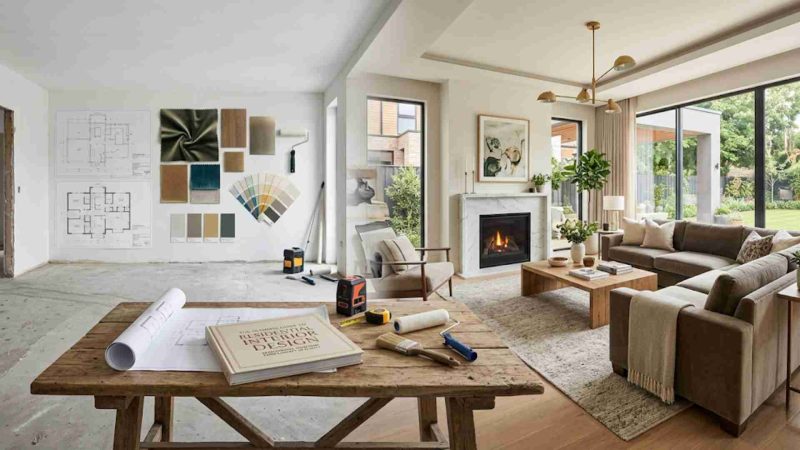
Residential interior design is more than just picking out a trendy sofa or choosing a popular paint color. It is a sophisticated blend of art and science, aimed at creating a living space that is functionally efficient and aesthetically pleasing. In this detailed guide, we will explore how you can master residential interior design to turn a house into a sanctuary that reflects your personality and meets your daily needs.
Understanding the Fundamentals of Residential Interior Design
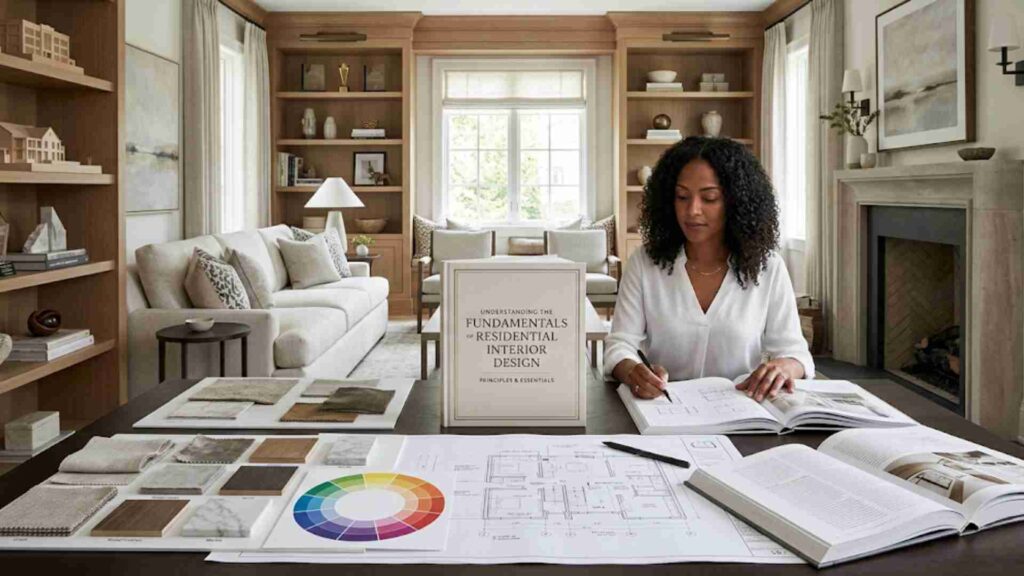
Before diving into the decor, one must understand that great styling starts with a foundation of principles. Every successful home project relies on balance, proportion, and rhythm. Whether you are working on a sprawling villa or a compact apartment, the goal remains the same: harmony.
Why Quality Residential Interior Design Matters for Modern Living
In today’s fast-paced world, our homes serve as offices, gyms, and retreats. A well-executed layout ensures that each square foot of your home serves a purpose. High-quality work in this field can improve mental well-being, increase property value, and optimize energy efficiency through better light management.
The Role of a Professional in Residential Interior Design
While DIY is popular, hiring an expert brings technical knowledge in building codes and material durability. A professional knows how to manipulate “negative space” to ensure a room doesn’t feel cluttered, even when fully furnished with luxury pieces.
Key Phases of the Home Transformation Process
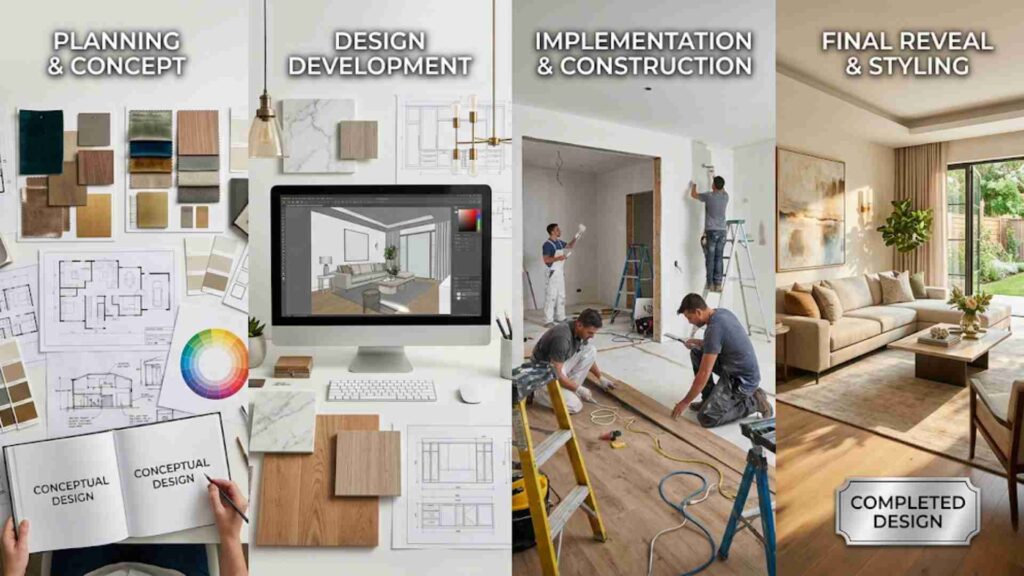
Transforming a concept into reality requires a disciplined approach. You cannot rush the “vision” phase without suffering in the “execution” phase.
Phase 1: Programming and Discovery
This is the research stage of residential interior design. You must identify the lifestyle needs of the inhabitants. Do you have pets? Do you host large dinner parties? Are you planning for a home office?
Phase 2: Schematic Design and Spatial Planning
This involves creating floor plans and furniture layouts. In the world of architecture, spatial planning is the most critical technical step. It dictates the “flow” of traffic and ensures that walkways remain unobstructed.
Phase 3: Design Development and Material Selection
Here, the residential interior design comes to life with textures, colors, and finishes. This is where you select your flooring, cabinetry, and wall treatments.
Essential Elements of a Successful Living Space
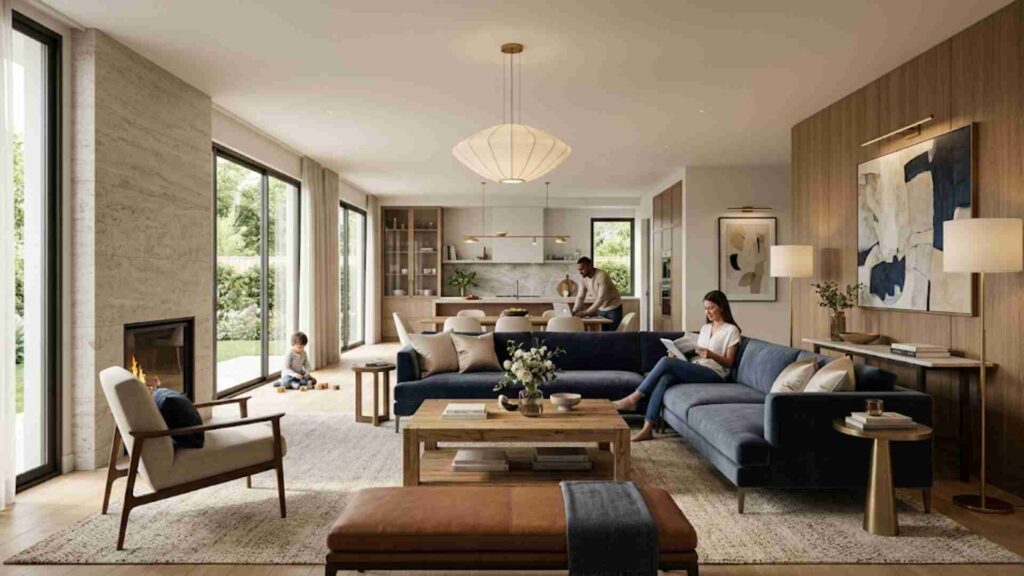
To achieve a professional look, you must balance several core elements. If one is missing, the entire room can feel “off.”
1. Lighting: The Backbone of Residential Interior Design
Lighting is often overlooked but is a powerful tool.
- Ambient Lighting: General illumination for the whole room.
- Task Lighting: Focused light for reading or cooking.
- Accent Lighting: Highlighting architectural features or artwork.
2. Color Psychology in Residential Interior Design
Colors dictate the mood. Warm tones (reds, yellows) create energy, while cool tones promote relaxation. When planning your project, consider the “60-30-10” rule: 60% dominant color, 30% secondary color, and 10% accent color.
3. Texture and Pattern Coordination
A room with only smooth surfaces feels cold. Effective residential interior design incorporates a mix of textures—velvet, wood grain, stone, and metal—to create “visual weight” and comfort.
Comparison of Popular Residential Interior Design Styles
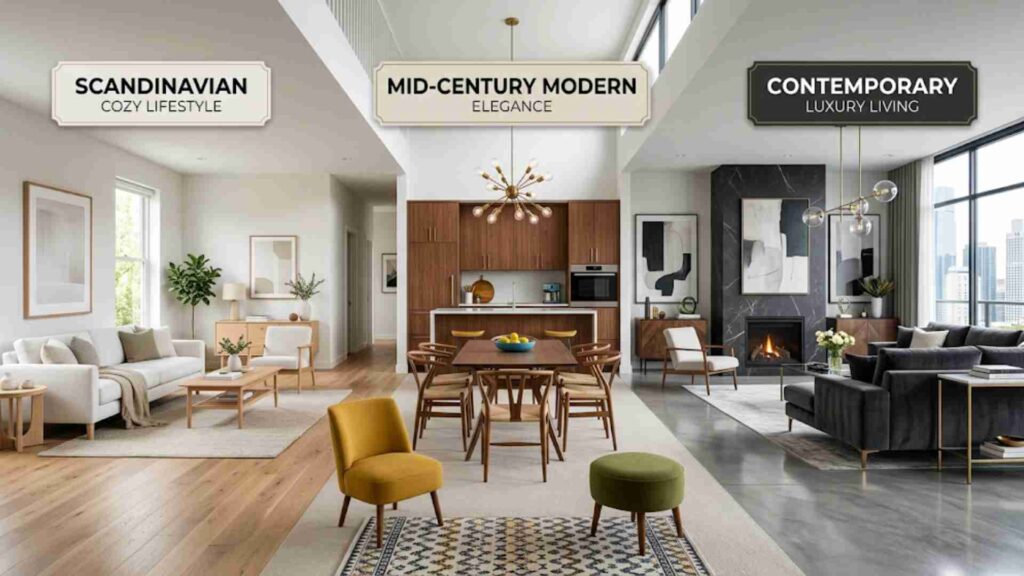
Choosing a style helps maintain consistency throughout the home. Below is a comparison of the most sought-after styles in modern homes.
| Design Style | Key Characteristics | Best Suited For |
| Minimalist | Clean lines, neutral palette, “less is more” | Small apartments & modern urban homes |
| Industrial | Exposed brick, metal accents, raw wood | Lofts and converted warehouse spaces |
| Scandinavian | Functional, bright, natural materials | Families seeking a cozy, airy atmosphere |
| Contemporary | Fluid lines, bold colors, state-of-the-art tech | High-end luxury residences |
| Biophilic | Integration of plants, natural light, organic shapes | Wellness-focused living environments |
Technical Considerations in Residential Interior Design
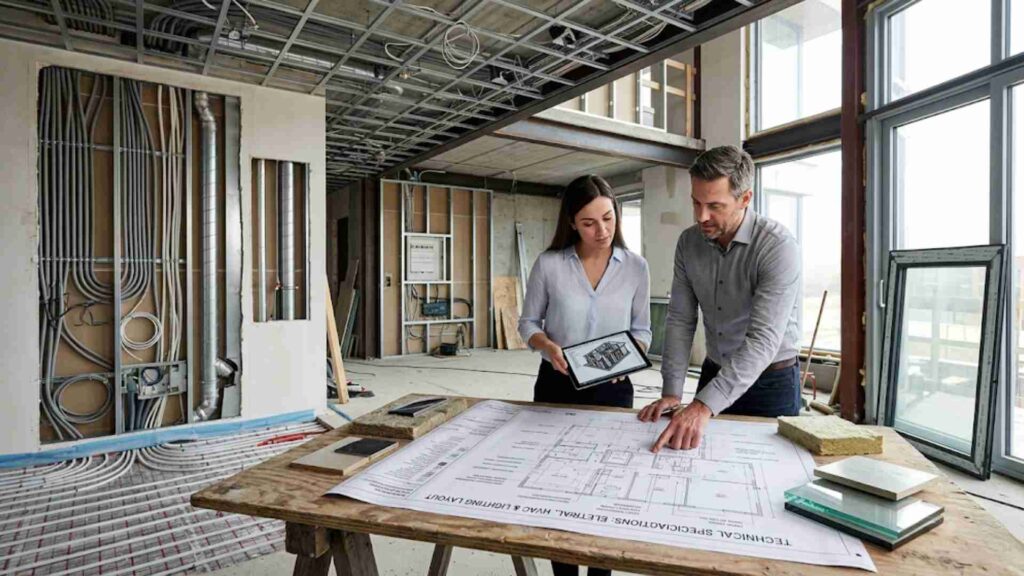
For a 3,000-word authority piece, we must address the “hidden” technical aspects that make a home functional.
Ergonomics in Residential Interior Design
Ergonomics isn’t just for offices. It means ensuring counter heights are comfortable for the cook, sofas provide adequate back support, and light switches are at an intuitive height.
Acoustics and Sound Management
Hard surfaces like marble and hardwood reflect sound, creating echoes. A professional plan uses area rugs, heavy drapery, and acoustic wall panels to dampen sound and create a peaceful environment.
Integrating Smart Home Technology
Modern homes must account for technology. This includes hidden wiring for surround sound, automated climate control, and smart lighting systems that adjust based on the time of day.
Maximizing Small Spaces through Residential Interior Design
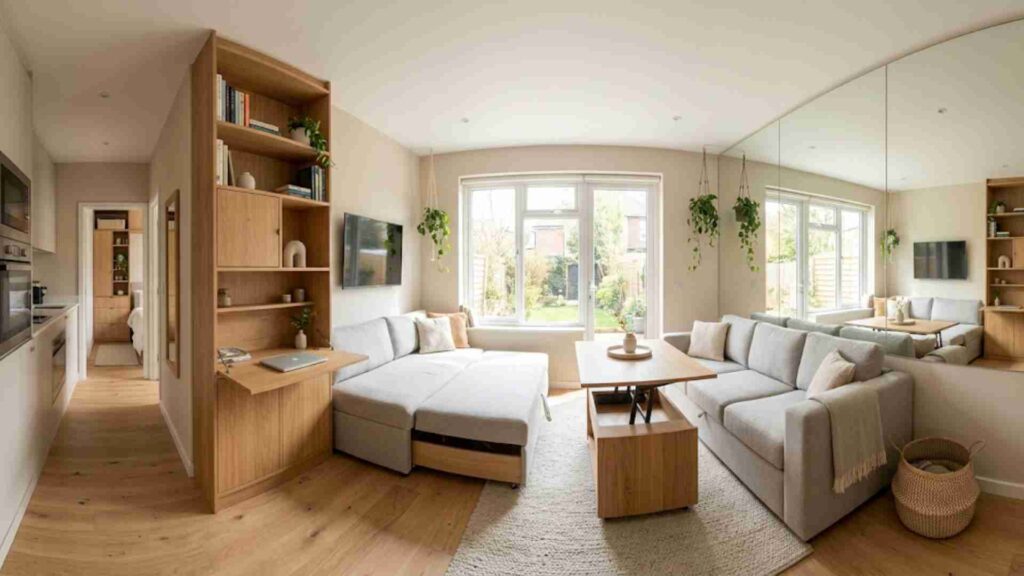
Not everyone has a mansion. Strategic residential interior design can make a 500-square-foot studio feel twice its size.
Using Mirrors to Expand Residential Interior Design
Placing a large mirror opposite a window reflects light and creates the illusion of depth. This is a classic trick for narrow hallways and small living rooms.
Vertical Storage Solutions
When floor space is limited, look up. In small-scale projects, floor-to-ceiling shelving draws the eye upward, making the ceiling appear higher while providing ample storage.
Sustainability and Eco-Friendly Residential Interior Design
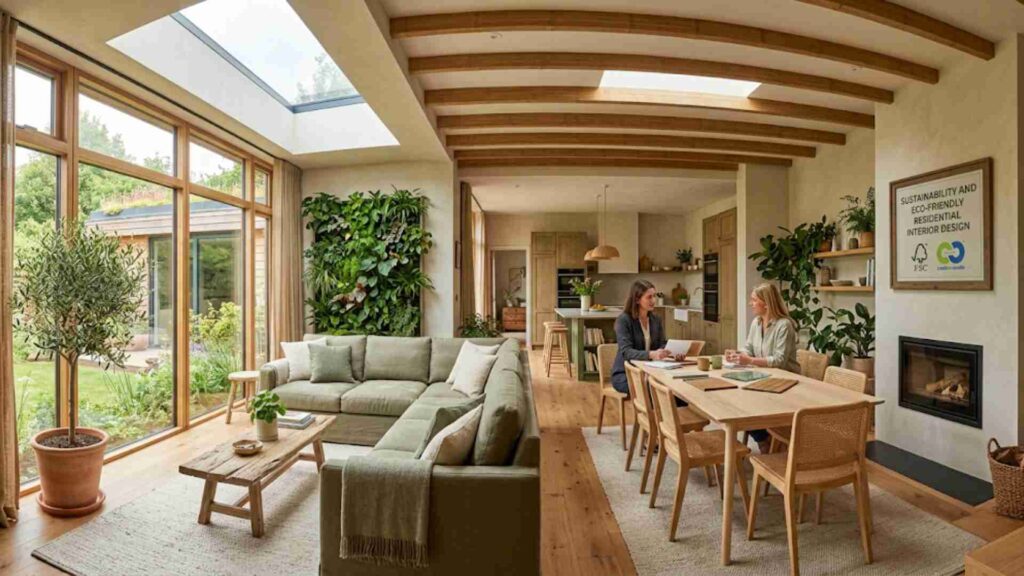
The future of the industry is green. Sustainable residential interior design focuses on reducing environmental impact while improving indoor air quality.
Selecting Low-VOC Materials
Volatile Organic Compounds (VOCs) are chemicals found in many paints. Modern stylists prioritize low-VOC or zero-VOC products to ensure the air you breathe at home is clean.
Energy-Efficient Window Treatments
Curtains and blinds aren’t just for privacy. Thermal-lined drapes can significantly reduce heat loss in winter and heat gain in summer, lowering your electricity bills.
Common Mistakes to Avoid in Residential Interior Design
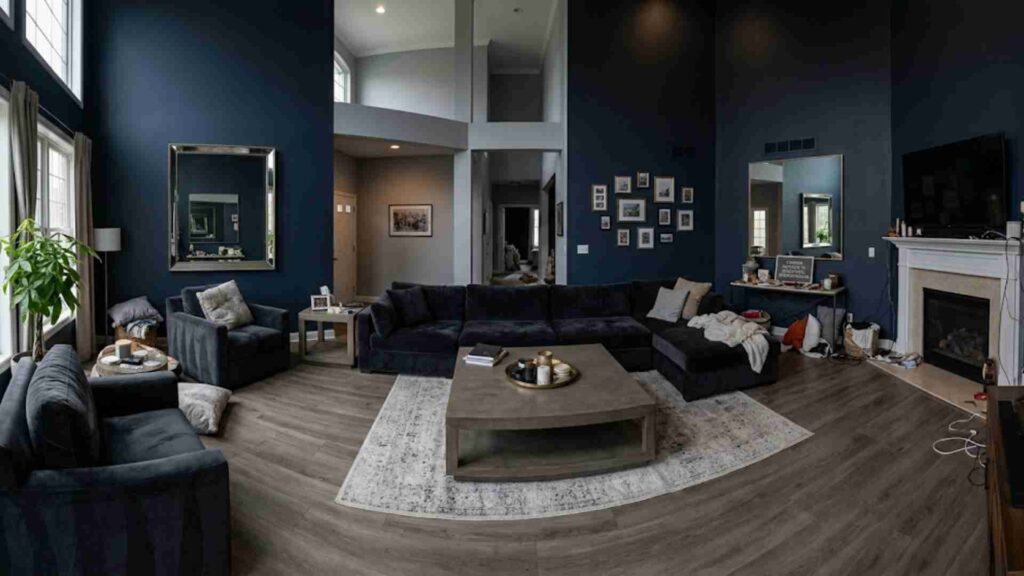
Even with a plan, it’s easy to slip up. Here is what to watch out for:
- Ignoring the Foyer: The entrance sets the tone for the rest of the house.
- Pushing Furniture Against Walls: This can make a room feel “static.” Pulling furniture slightly away from the walls creates a more intimate seating area.
- Poor Scale: Buying a rug that is too small is the most common error. The rug should be large enough for all furniture legs to sit on it.
Conclusion: The Long-Term Value of Residential Interior Design
Investing in your home’s aesthetic is an investment in your quality of life. By focusing on a balance of functionality, technical ergonomics, and beauty, you create a space that evolves with you. Whether you prefer the raw edge of industrial style or the softness of a biophilic retreat, the key to success lies in the details—from the initial floor plan to the final piece of art.
Frequently Asked Questions (FAQ)
Q1. What is the first step in a new home project?
The first step is “Programming.” This involves defining your budget, your style preferences, and how you intend to use the space.
Q2. How much does professional styling cost?
Costs vary based on the scope. Some professionals charge a flat fee per room, while others charge a percentage of the total project cost.
Q3. Can I achieve a luxury look on a budget?
Absolutely. Focus on “high-impact” changes like paint, lighting, and hardware (knobs and handles). Small changes in residential interior design can yield massive visual results.
Q4. What is the difference between a designer and a decorator?
Designers handle spatial planning and structural changes, whereas decorators focus primarily on the aesthetic “surface” like furniture and fabric.
Q5. How do I choose the right color for my room?
Always test paint samples on your walls. Light changes throughout the day, and a color that looks great in a store might look different in your living room.