If you are wondering how to store excess solar energy without batteries, you are not alone. Solar energy adoption is booming globally, driven by rising electricity costs and the push for sustainability. While most people immediately think of lithium-ion batteries when it comes to backup power, traditional battery storage comes with high upfront costs, regular maintenance, and a limited lifespan.
Fortunately, if you are looking for more affordable, scalable, or innovative alternatives, it is completely possible to save your surplus power without an expensive battery bank. In this ultimate guide, we will break down exactly how this is done using modern grid setups, thermal dynamics, and mechanical engineering.
Why Learn How to Store Excess Solar Energy Without Batteries?
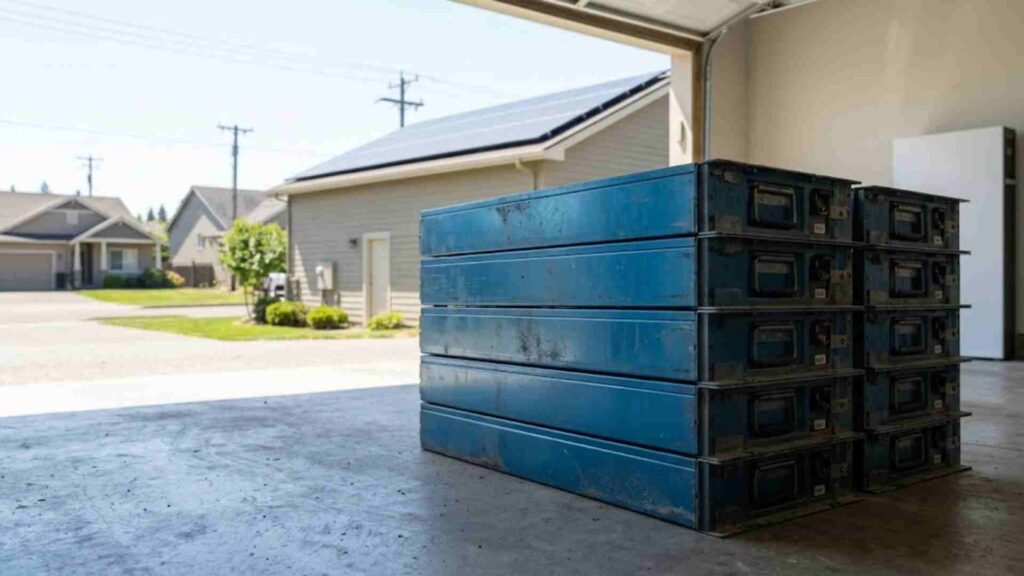
Lithium-ion and lead-acid batteries are excellent for residential backup, but they are not the only solution. Exploring alternative storage methods is highly beneficial for several reasons:
- Cost Efficiency: Battery banks can easily double the initial installation cost of a solar project.
- Environmental Impact: Manufacturing and disposing of chemical batteries leaves a significant carbon footprint.
- Scalability: For large commercial buildings or industrial plants, storing megawatts of power in chemical batteries requires massive space and heavy cooling systems.
By understanding how to store excess solar energy without batteries, you can maximize your Return on Investment (ROI) and build a more resilient energy system.
1. Net Metering: How to Store Excess Solar Energy Without Batteries Virtually
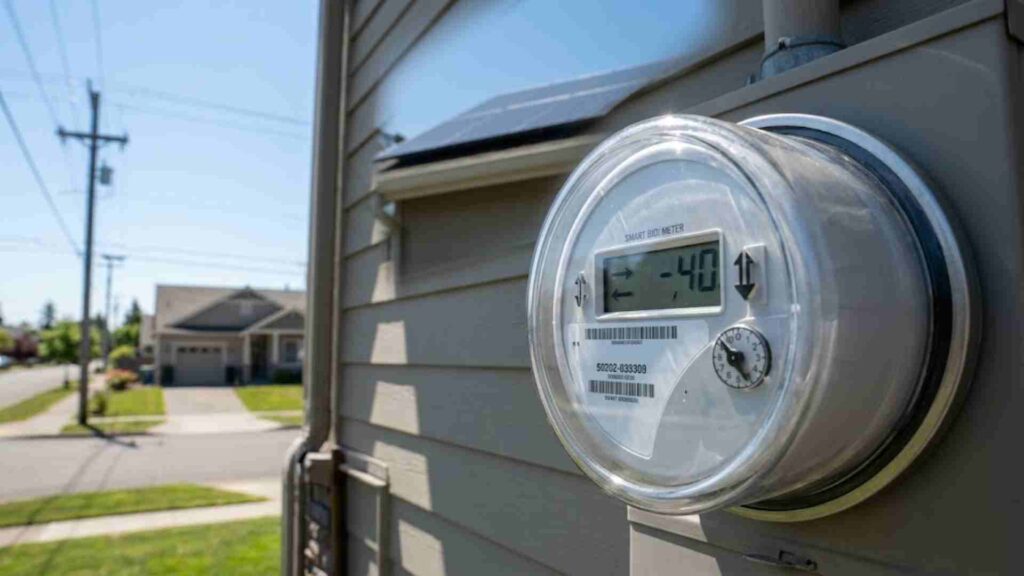
For the vast majority of residential and commercial solar owners, the easiest way to store energy without a physical battery is by using the utility grid as a “virtual battery.” This process is managed through a system called Net Metering.
How Net Metering Works
During peak sunlight hours (typically between 11:00 AM and 3:00 PM), your solar panels often produce far more electricity than your property actually consumes. Instead of letting this energy go to waste or forcing it into a battery, a grid-tied solar system automatically routes this surplus electricity back into the local utility grid.
Your bidirectional electricity meter spins backward, recording the exact amount of energy you export.
Financial Credits and Offsetting Costs
When the sun goes down or on cloudy days, your panels stop producing electricity. At this point, you seamlessly draw power back from the grid. At the end of the monthly billing cycle, your utility company calculates the net difference:
Net Energy Billed=Energy Consumed from Grid−Surplus Energy Exported
If you exported more than you consumed, those credits roll over to the next month, drastically lowering your electricity bills without spending a single rupee on physical storage.
2. Thermal Energy Storage: Storing Power as Heat
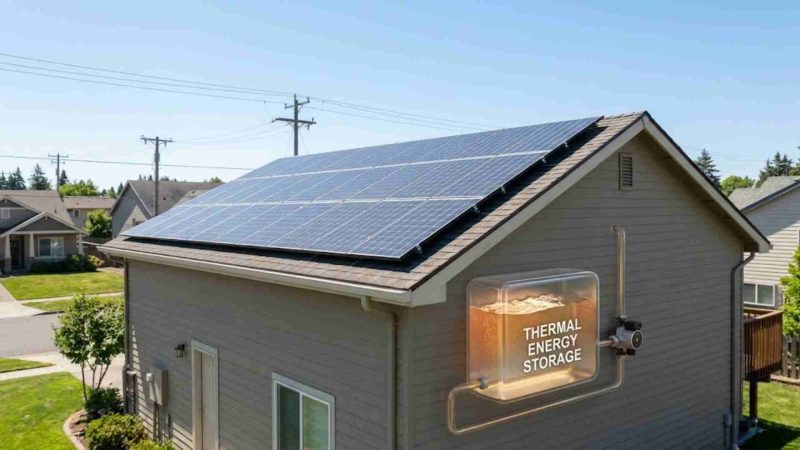
Another practical method to bypass chemical batteries is converting surplus electricity into thermal energy. Instead of saving electrons, you store heat or cold for later use.
Solar Water Heating Systems
One of the simplest ways to utilize day-time solar power is by running high-draw appliances like heat pumps, water geysers, or commercial boilers directly during peak sunlight hours. By heating massive tanks of water during the day, you effectively “store” that energy. When you need hot water at night or early morning, it is already waiting for you, preventing your home from drawing expensive power from the grid later.
Phase Change Materials (PCM)
Advanced modern architecture utilizes Phase Change Materials (PCMs) embedded in walls or HVAC systems. When your solar panels produce excess power during the day, the HVAC system uses it to freeze or melt these materials. As the temperature shifts at night, the material releases or absorbs heat, maintaining a comfortable indoor temperature without active electricity consumption.
3. Mechanical Energy Storage Systems
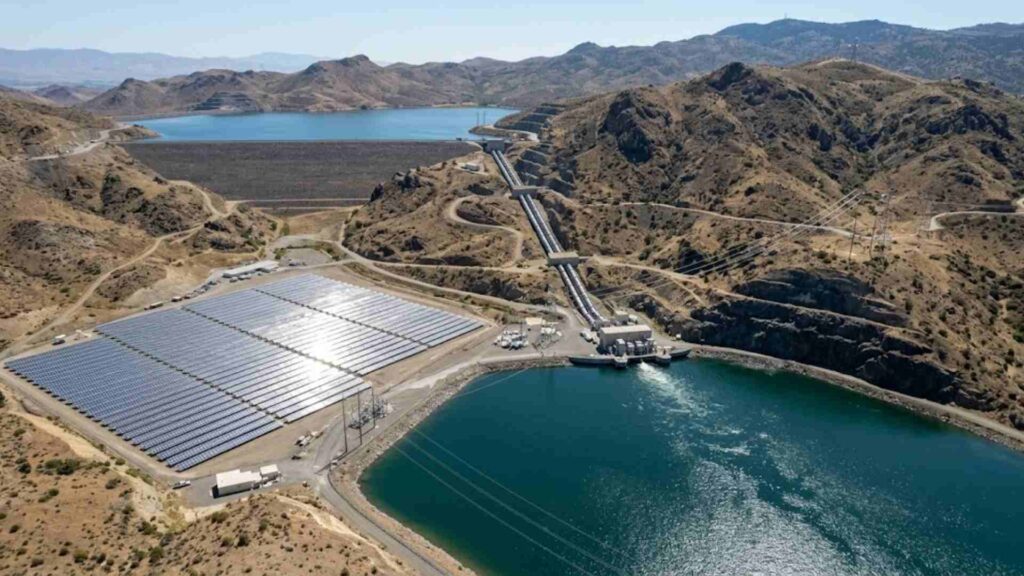
Mechanical storage technologies are highly efficient and offer incredibly long lifespans, making them the preferred choice for industrial and grid-scale solar installations.
Pumped Hydroelectric Storage
Pumped hydro is the largest form of grid energy storage in the world. The concept is straightforward:
- When solar production is high during the day, the excess electricity powers water pumps.
- These pumps push water from a lower reservoir uphill to an elevated reservoir.
- At night, when energy is needed, the upper reservoir opens, allowing the water to rush down through a turbine, generating clean electricity.
Flywheel Energy Storage
Flywheels store energy mechanically in the form of rotational kinetic energy. Excess solar electricity drives a high-speed motor that spins a heavy rotor inside a frictionless vacuum chamber. The rotor continues spinning at incredibly high speeds (often up to 60,000 RPM). When electricity demand spikes, the flywheel acts as a generator, slowing down slightly while converting the spinning motion back into electricity instantly.
4. Hydrogen Fuel: How to Store Excess Solar Energy Without Batteries Chemically
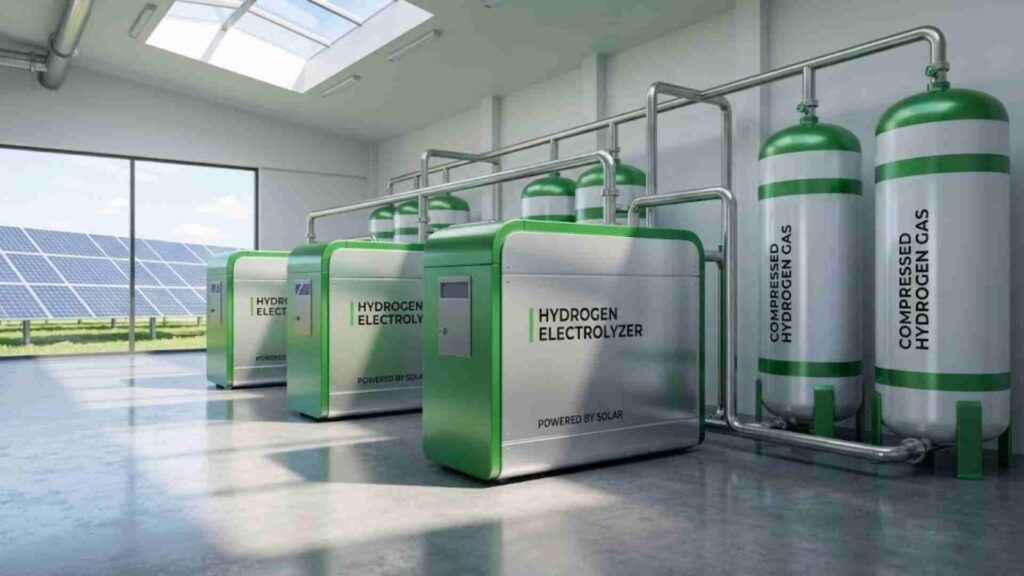
Green hydrogen is rapidly emerging as the future of long-duration, large-scale energy storage.
The Electrolysis Process
When your solar plant generates massive amounts of surplus power, the electricity is directed into a machine called an electrolyzer. The electrolyzer passes the electric current through water (H2O), splitting the molecules into pure hydrogen and oxygen gas.
Fuel Cells and Re-electrification
The captured hydrogen gas is compressed and stored indefinitely in heavy-duty tanks. Unlike batteries, which slowly lose charge over time, hydrogen can be stored for months. When power is required during seasonal shifts or prolonged cloudy periods, the hydrogen is fed into a hydrogen fuel cell, combining with oxygen to recreate electricity, with the only byproduct being pure water vapor.
Battery-Free Solar Storage Methods Compared
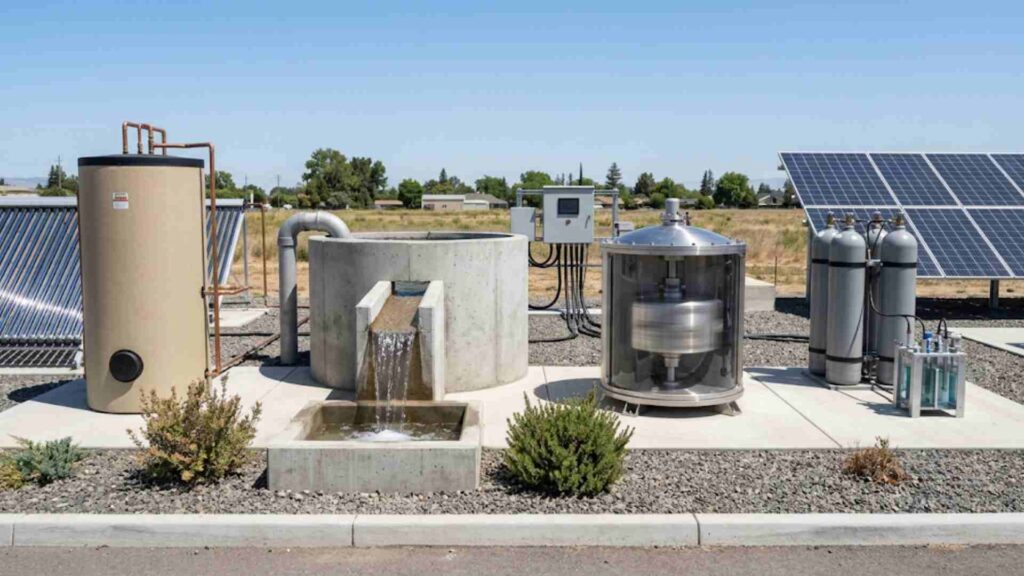
To help you choose the best solution for your project, this table compares the efficiency, scale, and best use cases for every major alternative storage technology.
| Storage Technology | Primary Energy Form | Efficiency Rate | Ideal Scale / Target Application |
| Net Metering | Virtual / Financial Credits | 95% – 99% | Residential & Light Commercial |
| Thermal Storage | Thermal (Heat / Cold) | 70% – 90% | Residential Water Heating & HVAC |
| Pumped Hydro | Potential Kinetic Energy | 70% – 80% | Grid-Scale & Industrial Plants |
| Flywheels | Rotational Kinetic Energy | 85% – 92% | Industrial Power Quality & Microgrids |
| Green Hydrogen | Chemical Gas | 40% – 60% | Seasonal & Long-Duration Industrial |
How to Optimize Your Home for Battery-Free Solar
If you want to go completely battery-free at a residential level, you must transition from a passive energy user to an active one. This is achieved through a concept known as Load Shifting.
- Automate Heavy Appliances: Set smart timers on your washing machines, dishwashers, and electric vehicle (EV) chargers to run strictly between 10:00 AM and 2:00 PM.
- Pre-Cool or Pre-Heat Your Home: Run your air conditioning or heating systems slightly harder during peak solar hours so your home stays comfortable into the evening without needing power.
- Invest in Smart Energy Monitors: Use real-time monitoring apps to track exactly when your system is producing excess power, allowing you to manually or automatically turn on optional loads.
Conclusion
Learning how to store excess solar energy without batteries opens up a massive variety of sustainable, cost-effective alternatives. For everyday homeowners, leveraging a grid-tied system with Net Metering paired with smart Load Shifting remains the most practical way to eliminate battery costs while maximizing solar savings.
On the other hand, for commercial operators and large-scale industries, investing in Thermal Storage, Flywheels, or Green Hydrogen provides highly reliable, long-term energy independence without the environmental or financial burdens of heavy chemical battery disposal. The future of solar storage is diverse, scalable, and increasingly battery-free.
Frequently Asked Questions (FAQ)
Q1: Can I run a solar system during a power outage without a battery?
Ans: No. Standard grid-tied solar systems automatically shut down during a power outage for grid safety (anti-islanding protection). To run appliances during a blackout without a battery, you need a specialized inverter with direct power supply capabilities, which only functions while the sun is actively shining.
Q2: Is net metering better than buying a solar battery?
Ans: Financially, yes. Net metering provides a much quicker ROI because it eliminates the high upfront cost of physical batteries. However, if you live in an area with frequent power cuts or poor net metering policies, a physical battery becomes necessary for reliable backup.
Q3: How long can you store solar energy in thermal systems?
Ans: Highly insulated residential water tanks can store thermal energy for 24 to 48 hours. On an industrial scale, advanced molten salt thermal systems can hold high-grade heat for several days with minimal energy loss.
Q4: What is the cheapest way to store solar energy without a battery?
Ans: The cheapest method is Load Shifting combined with Net Metering. By simply changing your habits—running heavy appliances during peak sunny hours and exporting the rest to the grid—you store energy virtually at zero additional cost.
Q5: Does green hydrogen storage make sense for residential homes?
Ans: Currently, no. Green hydrogen setups require expensive electrolyzers, compressors, and fuel cells. This technology is highly complex and is currently only financially viable for large industrial applications and national grid storage.
Q6: Can flywheels completely replace home solar batteries?
Ans: Not yet. Flywheels excel at providing rapid, short bursts of high power to stabilize microgrids or industrial machinery. They lose energy faster over long periods compared to batteries, making them unsuitable for overnight residential backup.