If you’re considering the switch to clean energy, you’ve likely asked the fundamental question: “How exactly do Residential Solar Power System turn sunlight into usable electricity for my home?” The entire process is sophisticated yet simple, relying on a few core components that work together seamlessly.
This simple, step-by-step explainer is designed specifically for homeowners, breaking down the science and technology that powers your house. Understanding these steps demystifies the system and prepares you for a brighter, more energy-independent future. We’ll show you how solar installation brings down your monthly energy costs.
Step 1: Capturing Energy with PV Cells
The Core of the Solar Power System: Photovoltaic Panels
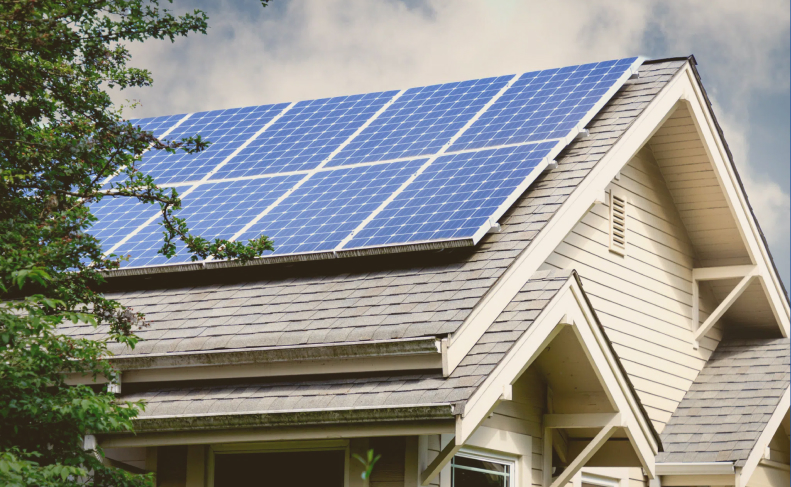
The first, most visible component of any residential solar power system is the solar panel (or PV module). This is where the magic begins.
- Sunlight Hits Silicon: Each panel contains numerous smaller units called photovoltaic (PV) cells, typically made from silicon.
- The Photovoltaic Effect: When sunlight—which is made of tiny energy particles called photons—strikes the silicon, electrons are excited and knocked loose from their atoms.
- Generating DC Power: This movement of electrons creates a flow of electricity known as Direct Current (DC). This is raw, one-way power, similar to what a battery produces.
Step 2: The Critical Conversion (DC to AC)
Why an Inverter is Essential for Your Home
The DC electricity generated by your panels is not immediately usable. Why? Because nearly every appliance in your home operates on Alternating Current (AC) electricity—the standard power supplied by the utility grid.
Therefore, the inverter steps in as the “brain” of the operation.
- Conversion Role: The inverter takes the DC power from the panels and instantly converts it into clean, usable AC power.
- Inverter Types: Depending on the system design, this conversion happens either at a central location (a String Inverter) or directly behind each individual panel (Microinverters). Furthermore, modern inverters monitor your system’s performance and ensure safe operation.
Step 3: Powering the Home and Interacting with the Grid
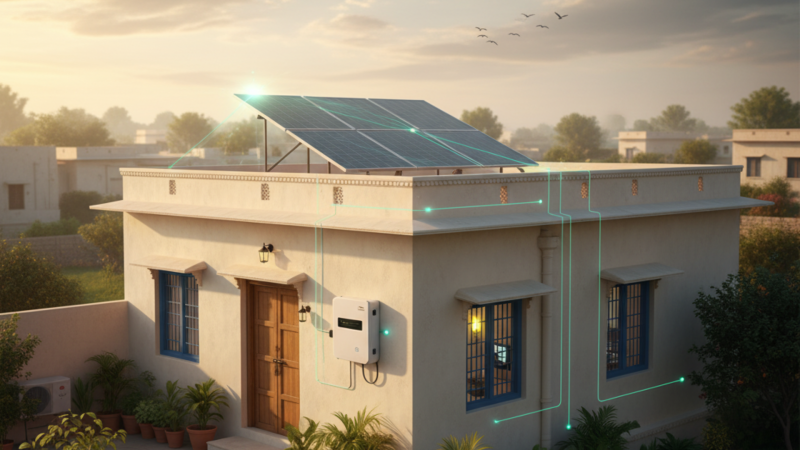
Once the electricity is converted to AC power, it follows one of three distinct paths:
- Direct Consumption: The solar-generated AC electricity is routed through your home’s main electrical panel and instantly begins running any appliance that’s currently on. Ultimately, you use the solar power first, maximizing your savings.
- Sending Excess to the Grid (Net Metering): On a sunny day, your residential solar power system might generate more power than you need. This surplus is automatically sent out onto the public utility grid. Consequently, the utility company tracks this exported energy using a special meter, and you receive credits on your electric bill.
- Storage in a Solar Battery (The Hybrid Option): For homeowners seeking backup power, a solar battery stores this excess energy. Then, this stored power is available for use at night or during a grid outage, boosting your energy independence.
Key Components of Your New Solar Power System
This table summarizes the core hardware that makes your solar journey possible:
| Component | Primary Function | Electrical Output |
| Solar Panels (PV Modules) | Converts sunlight (photons) into electricity. | Direct Current (DC) |
| Inverter (String or Micro) | Converts raw DC power into usable AC power. | Alternating Current (AC) |
| Net Meter | Records energy flow used from and exported to the grid. | AC |
| Solar Battery (Optional) | Stores excess AC power for later use. | AC (after inversion) |
Drawing Power After Sunset
How Residential Solar Power Systems Handle the Night
What happens when the sun sets or a storm rolls in?
If your system is grid-tied (the most common type) and you do not have a battery, your home automatically and seamlessly switches to drawing power directly from the utility grid, just as it did before you went solar. Fortunately, the credits you earned from net metering earlier in the day help offset the cost of this power.
If you have a solar battery, your home will first draw the stored energy until it runs out. Only then will it switch to the utility grid, ensuring continuous operation.
Frequently Asked Questions (FAQ)Residential Solar Power Systems
1. Do solar systems work on cloudy days?
Yes, they do. While solar panels are most efficient in direct sunlight, they still produce power by absorbing diffused sunlight. Production levels will be lower (typically 10–25% of peak output), but the system is never completely off unless it’s pitch black.
2. How long will my solar power system last?
The core components are very durable. Solar panels are typically warranted to produce at least 80% of their original output after 25 years. Inverters usually last 10–15 years, and solar batteries have warranties ranging from 10 to 15 years.
3. What is Net Metering and why is it important?
Net metering is a billing mechanism that credits solar homeowners for the excess electricity they feed back into the power grid. Essentially, your electric meter spins backward when your residential solar power systems send power to the grid, resulting in lower monthly bills.
4. How much maintenance do solar panels require?
Residential solar power systems require very little maintenance. The panels are designed to be durable, and rain often cleans off dust and light debris. However, an annual visual check and occasional cleaning (especially in dusty areas) is recommended to maintain peak efficiency.
5. Will solar panels work during a power outage (blackout)?
If you have a standard grid-tied system (without a battery), your system must shut down during an outage to protect utility workers. However, if you install a solar battery (like a Tesla Powerwall), the battery can automatically power essential circuits in your home when the grid is down.
Conclusion: A Simple System for a Powerful Future
A modern residential solar power system is a highly efficient loop: sunlight creates DC power, the inverter converts it to AC power, and that power is either immediately used, stored in a battery, or sent to the grid for credit. In short, by understanding the basic journey of an electron, you can be confident that your investment in solar is a reliable, sustainable, and sophisticated choice designed to save you money for decades.