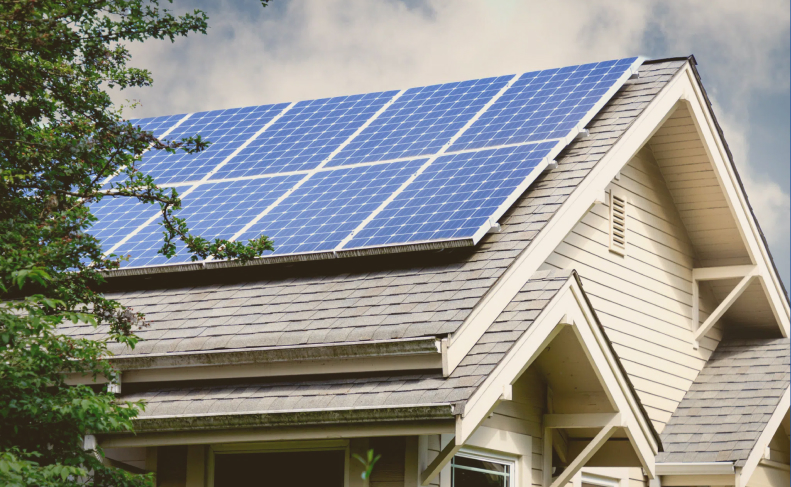
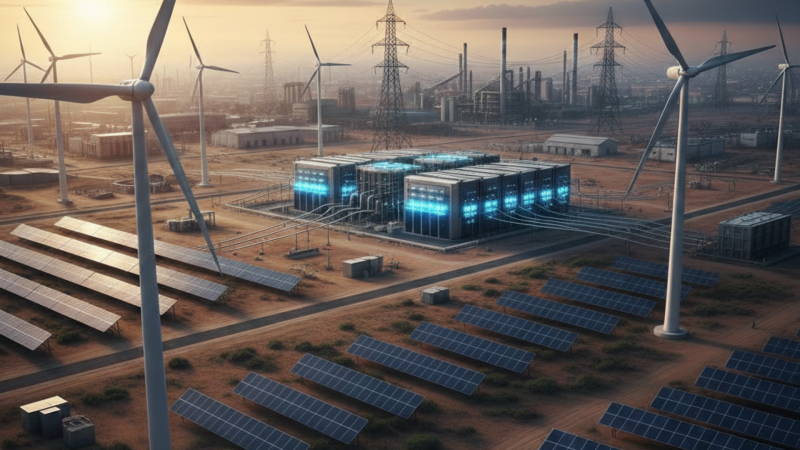
Rajasthan has officially entered a new era of energy independence. As of 2026, the state has not only surpassed its initial targets but is now leading the nation with over 35 GW of installed renewable capacity. However, the rapid expansion of solar power has brought a unique set of challenges, including grid volatility and daytime energy surpluses. To address these issues, the future of renewable energy in Rajasthan is now pivoting from simple power generation to “Smart Grid” management using wind-solar hybrids and Battery Energy Storage Systems (BESS).
For the commercial and industrial (C&I) sectors, this transition offers a golden opportunity to slash operational costs and achieve energy security. By adopting these advanced storage solutions, businesses in Rajasthan can ensure a stable power supply while contributing to the state’s ambitious goal of becoming a global green energy hub.
How Rajasthan is Solving Grid Stability for the Future of Renewable Energy in Rajasthan
The primary hurdle for Rajasthan’s grid has been the “intermittency” of solar power. During peak sunlight hours, the state often generates more power than it can consume or export, leading to “curtailment” (wasting green energy). Conversely, when the sun sets, the grid faces a massive demand spike.
1. Harnessing Wind Potential for the Future of Renewable Energy in Rajasthan
While solar has been the star, the Future of renewable energy in Rajasthan heavily relies on its 284 GW of wind potential. Wind energy in districts like Jaisalmer and Sikar often peaks during the evening and night, perfectly complementing solar’s daytime cycle.
- Hybrid Energy Policy: The state now incentivizes “Hybrid” plants where wind turbines and solar panels share the same transmission lines, ensuring a more consistent flow of power to the grid.
2. The 6,000 MWh BESS Revolution in the Future of Renewable Energy in Rajasthan
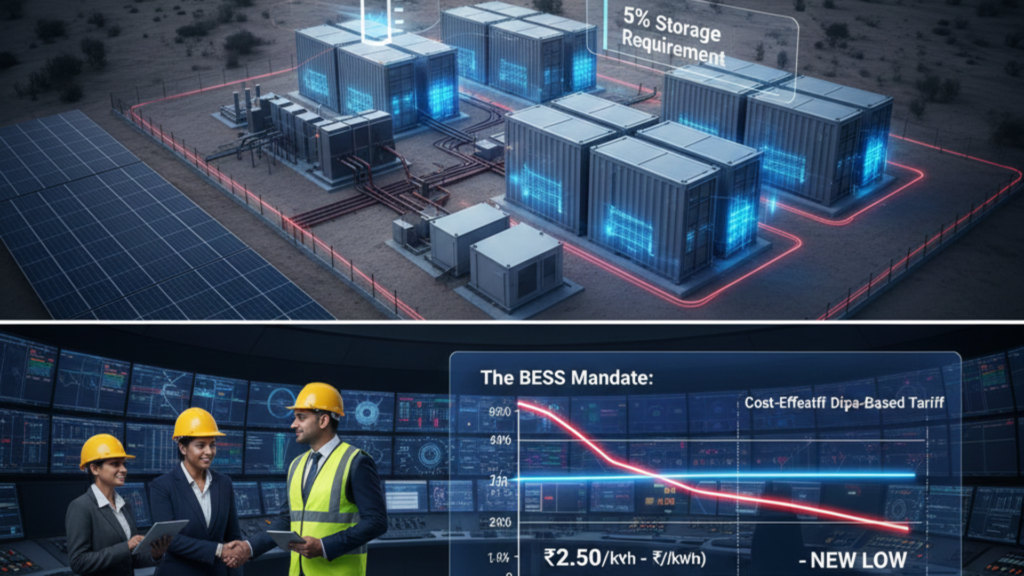
To prevent grid collapses and manage frequency, Rajasthan has awarded massive tenders for Battery Energy Storage Systems (BESS).
- Load Shifting: Batteries store excess solar energy produced at noon and release it during the 6:00 PM to 10:00 PM peak hours.
- Frequency Regulation: High-speed batteries can react in milliseconds to stabilize voltage drops, a critical requirement for high-tech industries in Jaipur and Bhiwadi.
3. Strengthening the Transmission Backbone for the Future of Renewable Energy in Rajasthan
The Rajasthan Rajya Vidyut Prasaran Nigam (RVPNL) is investing in a 400 kV “Green Energy Corridor.” This infrastructure is designed to evacuate power from the sun-drenched Thar Desert to the industrial hubs of Alwar, Bhilwara, and Udaipur without the risk of local grid overloading.
Commercial Solar ROI: A Key Pillar for the Future of Renewable Energy in Rajasthan
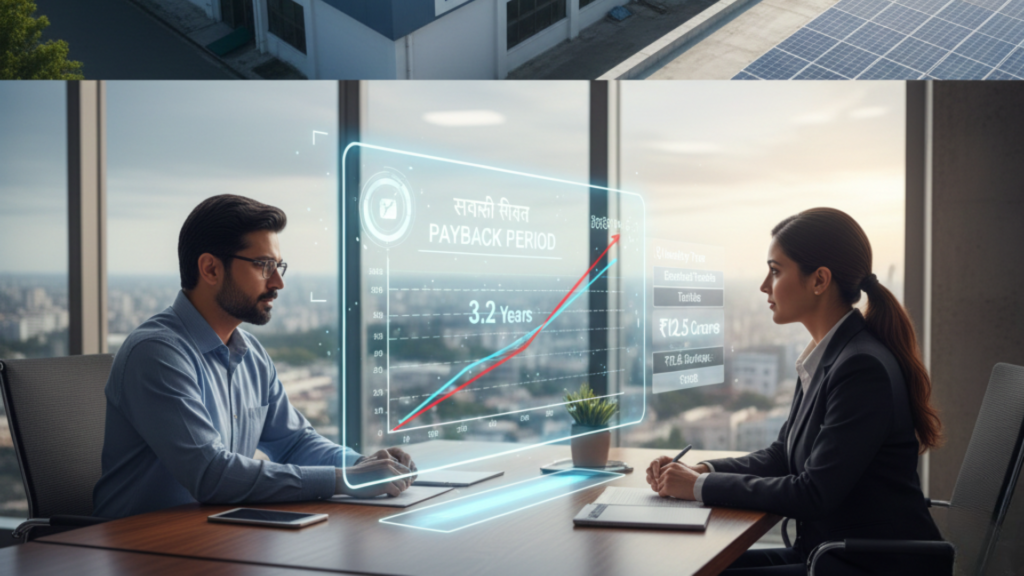
For Rajasthan’s business owners, the Future of renewable energy in Rajasthan is a financial calculation. With industrial electricity tariffs climbing, the “Return on Investment” (ROI) for solar has never been more attractive.
Table 1: Industrial Solar Payback Estimates in Rajasthan (2026)
| Industry Sector | Typical System Size | Avg. Tariff (₹/Unit) | Payback Period | 25-Year Savings |
| Textiles & Garments | 500 kW – 1 MW | ₹8.25 | 3.2 Years | ₹12.5 Crores |
| Cold Storage & Agri | 100 kW – 250 kW | ₹7.80 | 3.5 Years | ₹3.8 Crores |
| Stone & Marble Mills | 200 kW – 400 kW | ₹8.10 | 3.4 Years | ₹5.2 Crores |
| Hotels & Resorts | 50 kW – 150 kW | ₹8.50 | 3.8 Years | ₹2.1 Crores |
How to Calculate Your ROI
To understand the Future of renewable energy in Rajasthan for your specific business, follow this simple formula:
- Gross Investment: Total cost of panels, inverters, and mounting.
- Tax Benefits: Deduct 40% Accelerated Depreciation and GST Input Tax Credits.
- Annual Savings: (Units generated per year) × (Your current DISCOM tariff).
Payback: Net Investment ÷ Annual Savings.
Strategic Advantages: Future of Renewable Energy in Rajasthan
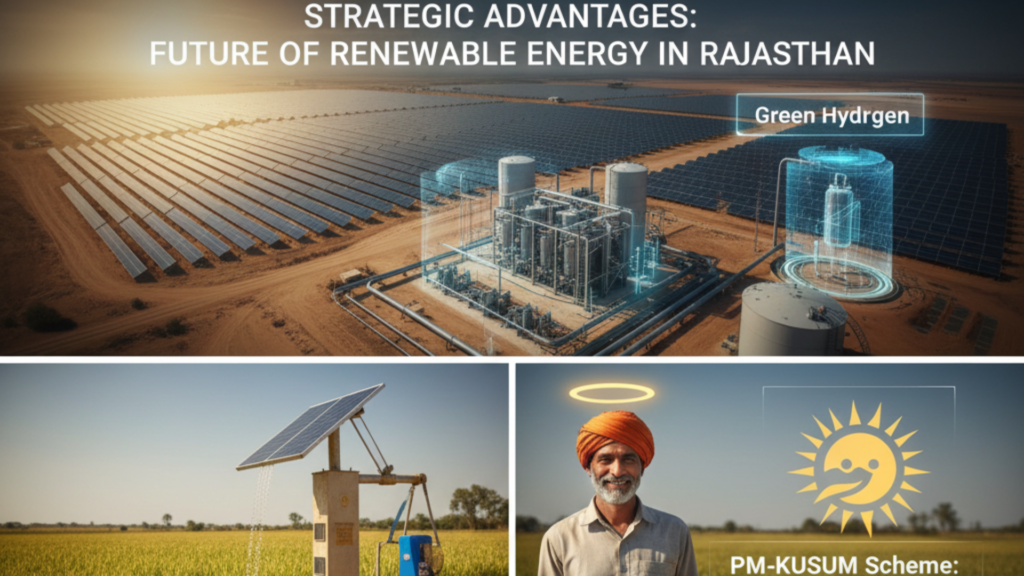
Beyond the grid, the state’s policy framework—including the Integrated Clean Energy Policy 2024—is designed to make Rajasthan a global hub for green manufacturing.
Table 2: Comparison of Energy Sources for Rajasthan Industries
| Feature | Coal-Based Grid Power | Standalone Solar | Solar + Wind + Storage |
| Cost Stability | Low (Prices rise 5-7%/yr) | High (Zero fuel cost) | Highest (Long-term fix) |
| Reliability | Moderate (Power cuts) | Low (Daytime only) | High (24/7 Supply) |
| Environmental Impact | High Carbon | Zero Carbon | Zero Carbon |
| Govt. Incentives | None | High (Subsidies/Tax) | Maximum (Banking/Carbon) |
Key Drivers for the Next Decade:
- Green Hydrogen: Rajasthan is targeting 2,000 MW of electrolyzer capacity, which will require massive amounts of stable, round-the-clock renewable energy.
- PM-KUSUM Scheme: Transforming farmers into “Urjadatas” (energy providers) by solarizing agricultural feeders, which reduces the subsidy burden on the state and stabilizes rural grids.
- Net Metering 2.0: New regulations allow for “Virtual Net Metering,” where a company can produce power in Jaisalmer and offset the bill for their office in Jaipur.
Conclusion: Leading the Green Revolution
The Future of renewable energy in Rajasthan is no longer just a vision; it is a functioning reality. By integrating wind and battery storage, the state is solving the grid stability challenge that has plagued other renewable-heavy regions. For industries, the path is clear: shifting to solar and hybrid power isn’t just an environmental choice—it’s the most significant cost-saving measure available in the 2026 market. With a payback period of under 4 years, the time to transition is now.
Frequently Asked Questions (FAQs)
1. What is the “Future of renewable energy in Rajasthan” target for 2030?
Rajasthan aims to achieve 125 GW of renewable energy capacity by 2030, with a heavy focus on solar-wind hybrids and green hydrogen production.
2. Why is battery storage suddenly so important for the Rajasthan grid?
Because solar only produces power during the day, the grid faces a “gap” at night. Battery storage (BESS) stores excess daytime solar energy to provide stability and power during the high-demand evening hours.
3. How does “Accelerated Depreciation” help my business ROI?
Under current tax laws, businesses can claim 40% depreciation on solar assets in the first year. This significantly reduces taxable income, effectively paying for a large chunk of the system cost through tax savings.
4. Can I use solar power for my industry during the night?
Yes, by opting for a Hybrid Solar-Wind setup or installing an On-site Battery Storage System, your industry can utilize stored green energy 24/7.
5. Is there a subsidy for commercial solar in Rajasthan?
While direct cash subsidies are mostly for residential PM Surya Ghar, commercial users get GST benefits, Accelerated Depreciation, and Banking facilities that make the project financially viable.