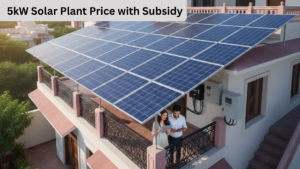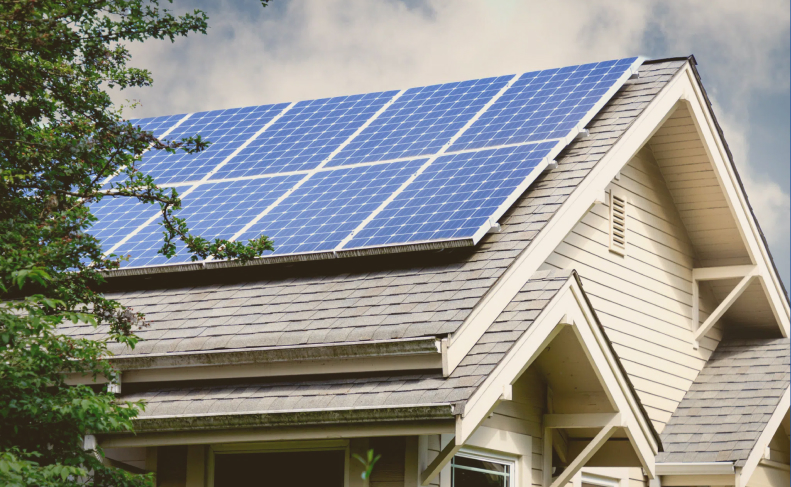

The landscape of renewable energy in India has undergone a massive transformation in 2026. With the government’s ambitious “PM Surya Ghar: Muft Bijli Yojana” targeting 1 crore households, the demand for an On-Grid Solar System for Home in India has reached an all-time high. If you are tired of skyrocketing electricity bills and want to contribute to a greener planet, an on-grid system is your most efficient and cost-effective solution.
In this comprehensive guide, we will explore everything from the working mechanism and costs to the latest subsidy updates and installation processes for an On-Grid Solar System for Home in India.
Understanding the Grid-Tied Mechanism
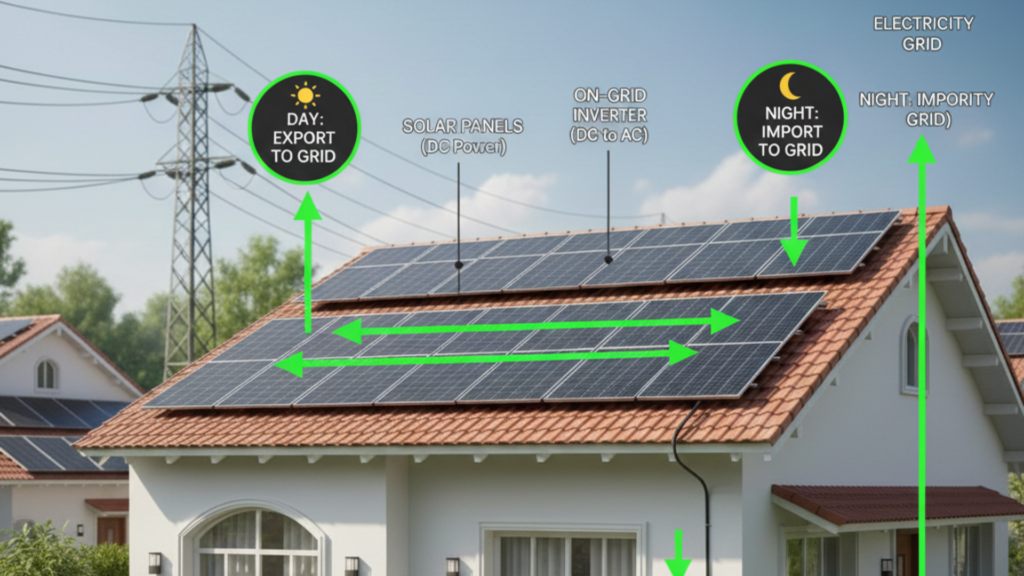
An on-grid solar system, also known as a grid-tied system, is a solar power setup that is directly connected to the local electricity grid (DISCOM). Unlike off-grid systems, it does not require expensive batteries. During the day, the solar panels generate electricity to power your home. If your system produces more energy than you consume, the excess is sent back to the grid through a process called Net Metering.
Key Components of an On-Grid Solar System
- Solar Panels: In 2026, high-efficiency N-Type TOPCon and Bifacial panels are the standard, offering better performance even in low-light conditions.
- On-Grid Inverter: This “brain” of the system converts DC power from panels to AC power for home use and synchronizes with the grid.
- Bi-Directional Net Meter: A special meter that records both the energy you take from the grid and the energy you export back to it.
- Mounting Structure: Typically made of Hot-Dip Galvanized (HDG) steel or aluminum to ensure 25+ years of durability.
Why Choose an On-Grid Solar System for Home in India in 2026?
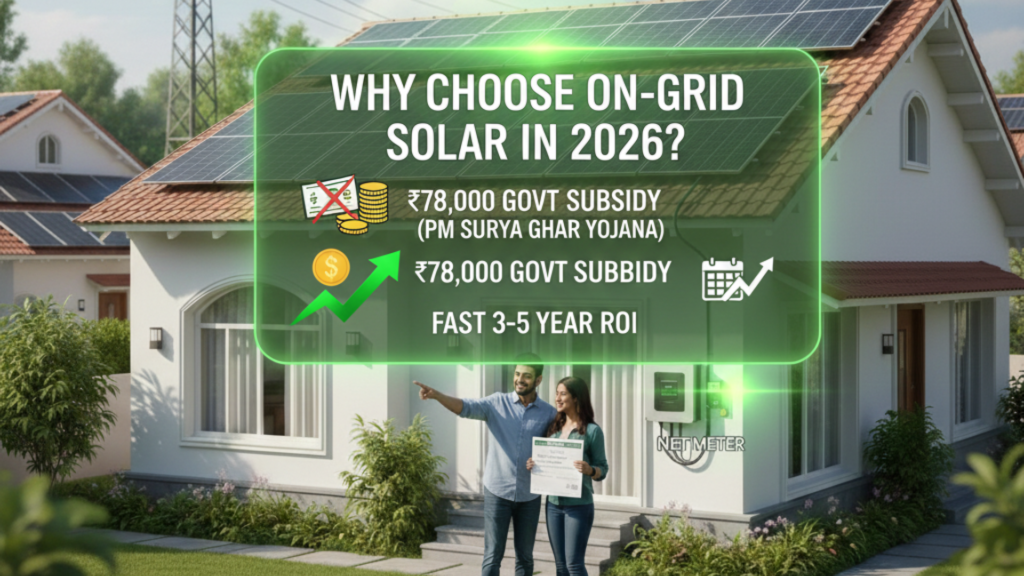
Choosing an On-Grid Solar System for Home in India is no longer just an environmental choice; it is a smart financial investment. Here is why:
1. Zero Electricity Bills
With the right system size (e.g., a 3kW or 5kW system), you can effectively reduce your monthly electricity bill to near zero. The credits you earn for exporting excess power during the day are adjusted against the power you use at night.
2. Massive Government Subsidies
Under the PM Surya Ghar Muft Bijli Yojana, the Central Government provides substantial financial assistance (CFA). As of 2026, homeowners can receive:
- ₹30,000 per kW for the first 2kW.
- ₹18,000 for the 3rd kW.
- Maximum Subsidy: ₹78,000 for systems 3kW and above.
3. High ROI and Short Payback Period
An On-Grid Solar System for Home in India typically pays for itself within 3 to 5 years. Considering the panels have a lifespan of 25 years, you enjoy “free” electricity for over two decades.
Financial Breakdown: Investment vs. Returns
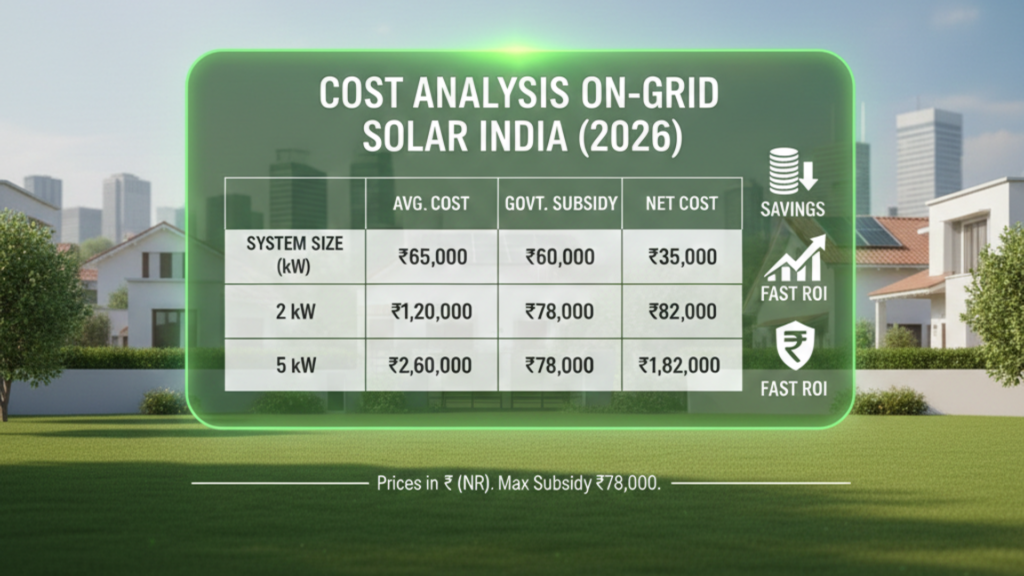
The cost of a solar system depends on the technology used (Mono-PERC vs. TOPCon) and the complexity of the rooftop. Below is an indicative price table for residential on-grid systems in India for 2026.
2026 Price & Subsidy Table
| System Capacity | Avg. Cost (Before Subsidy) | Gov. Subsidy (CFA) | Net Cost (Approx.) | Units Generated / Day |
| 1 kW | ₹65,000 – ₹75,000 | ₹30,000 | ₹35,000 – ₹45,000 | 4 – 5 Units |
| 2 kW | ₹1,20,000 – ₹1,40,000 | ₹60,000 | ₹60,000 – ₹80,000 | 8 – 10 Units |
| 3 kW | ₹1,60,000 – ₹1,90,000 | ₹78,000 | ₹82,000 – ₹1,12,000 | 12 – 15 Units |
| 5 kW | ₹2,60,000 – ₹3,00,000 | ₹78,000 | ₹1,82,000 – ₹2,22,000 | 20 – 25 Units |
| 10 kW | ₹4,80,000 – ₹5,50,000 | ₹78,000 | ₹4,02,000 – ₹4,72,000 | 40 – 50 Units |
Note: Prices may vary by state and choice of solar brand. Some states like Uttar Pradesh or Rajasthan may offer additional state-level subsidies.
Step-by-Step Installation Process for On-Grid Solar System for Home in India
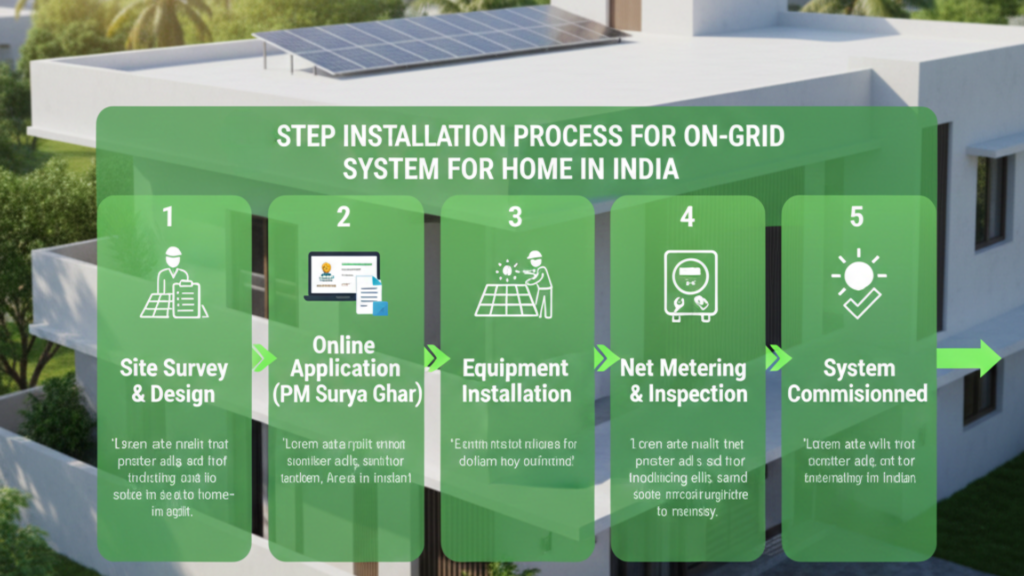
Installing an On-Grid Solar System for Home in India involves a series of technical and regulatory steps. In 2026, the process has been streamlined via the National Portal.
Phase 1: Site Survey and Feasibility
A certified engineer visits your home to check rooftop space, shadow-free areas, and the condition of your electrical wiring. They determine the optimal tilt angle (usually South-facing in India) to maximize energy generation.
Phase 2: Registration on National Portal
To claim the subsidy, you must register on the PM Surya Ghar portal. You will need your electricity consumer number, a photo of your roof, and a copy of your latest bill.
Phase 3: Selection of Vendor and Installation
You must choose an MNRE-empanelled vendor. The vendor will install the panels, inverter, and earthing system. In 2026, most top-tier installers use DCR (Domestic Content Requirement) panels to ensure subsidy eligibility.
Phase 4: Net Metering and Commissioning
Once the system is installed, your local DISCOM (like JVVNL, TATA Power, or Adani) will inspect the site and replace your traditional meter with a Bi-Directional Net Meter. After synchronization, your system is officially “Live.”
Latest Technology Trends in On-Grid Solar System for Home in India (2026)
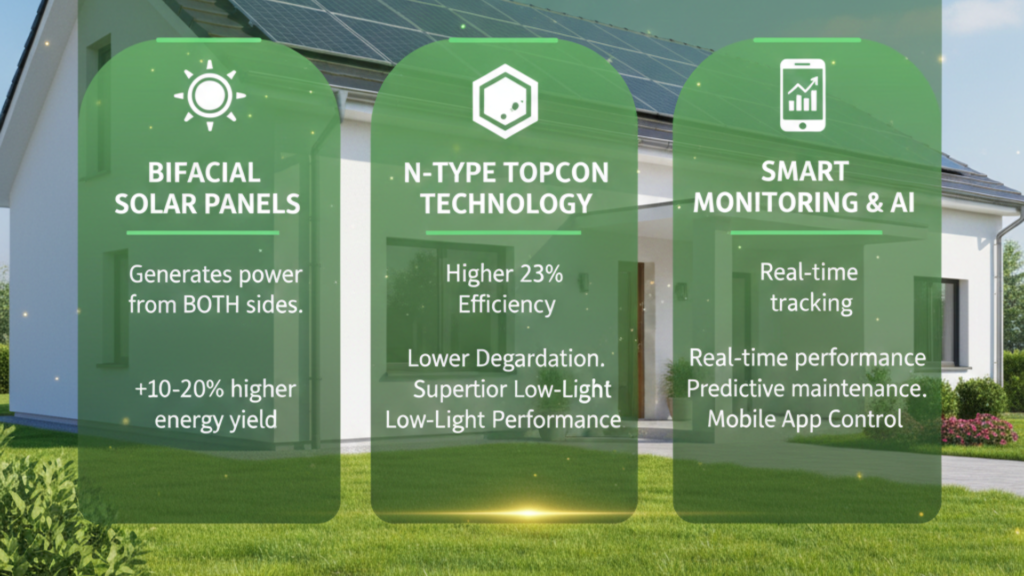
If you are planning to install an On-Grid Solar System for Home in India, you should be aware of the latest tech advancements that offer more “bang for your buck”:
- Bifacial Solar Panels: These panels generate electricity from both sides by capturing sunlight reflected from the roof surface, increasing yield by 10-20%.
- N-Type TOPCon Technology: These modules have higher efficiency (up to 23%) and lower degradation rates compared to older P-type panels.
- Smart Monitoring Apps: Modern on-grid inverters come with WiFi-enabled apps that allow you to track real-time generation and savings on your smartphone.
Maintenance Tips for Your On-Grid Solar System
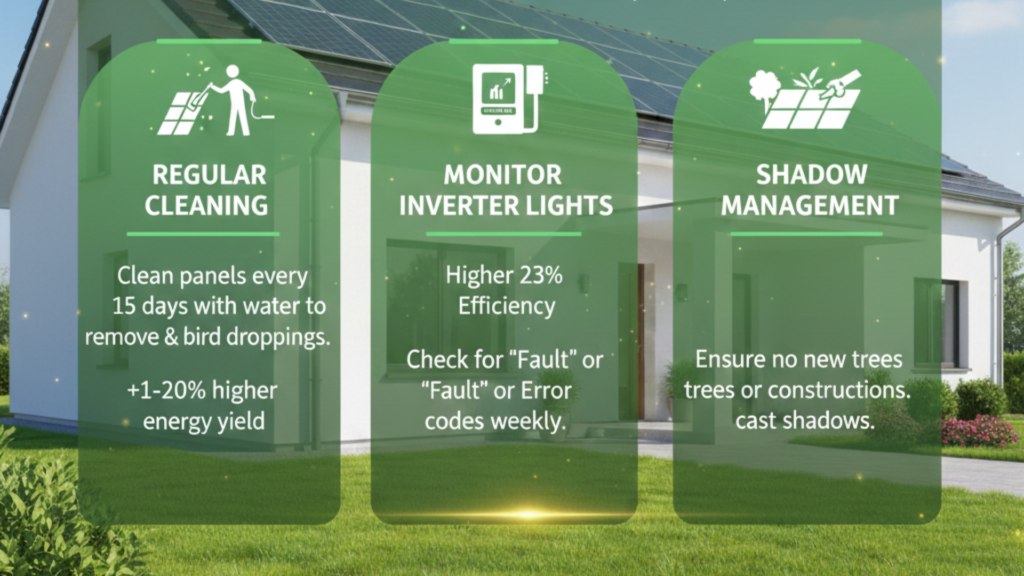
While an On-Grid Solar System for Home in India requires minimal maintenance because it has no moving parts, following these tips will ensure maximum performance:
- Regular Cleaning: Clean your panels with plain water every 15 days to remove dust and bird droppings.
- Monitor Inverter Lights: Check the inverter display once a week to ensure there are no “Fault” or “Error” codes.
- Shadow Management: Ensure no new trees or constructions are casting shadows on your panels.
Conclusion
An On-Grid Solar System for Home in India is undoubtedly the best investment for a middle-class or premium household in 2026. With electricity tariffs rising by 5-7% annually, solar provides a hedge against inflation. Between the massive ₹78,000 central subsidy and the long-term savings from net metering, your transition to clean energy will likely pay for itself in less than 4 years.
Ready to switch? Start by calculating your monthly unit consumption and choosing an empanelled partner to begin your journey toward energy independence.
Frequently Asked Questions (FAQs)
Q1. Can an On-Grid Solar System for Home in India work during a power cut?
No. For safety reasons (to prevent “islanding” and protecting grid workers), on-grid inverters shut down during a power cut. If you need power during outages, you should consider a Hybrid Solar System.
Q2. How much space is required for a 3kW On-Grid Solar System for Home in India?
A 3kW system typically requires about 250 to 300 square feet of shadow-free rooftop area.
Q3. How long does it take to get the subsidy?
Under the PM Surya Ghar scheme in 2026, the subsidy (CFA) is usually credited to the customer’s bank account within 30 to 60 days after the system is commissioned and the net meter is installed.
Q4. Do I need permission from the electricity board?
Yes, you need a Technical Feasibility Approval from your local DISCOM. Your solar vendor usually handles this paperwork on your behalf.
Q5. What is the lifespan of an On-Grid Solar System for Home in India?
The solar panels typically come with a 25-year performance warranty. The inverter usually has a warranty of 5 to 10 years, though its actual life can be longer with proper care.