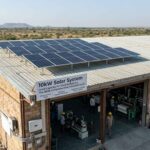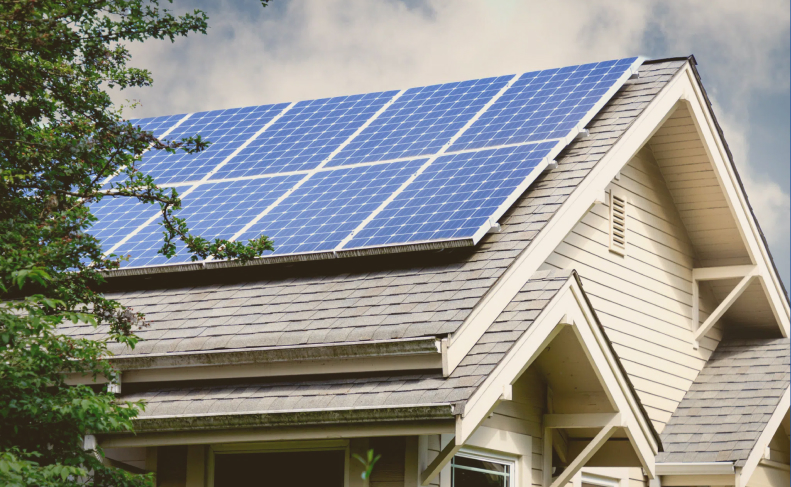
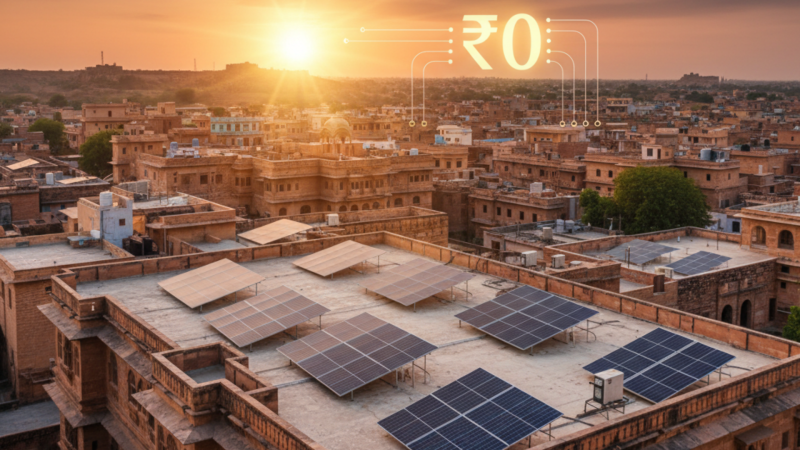
Are you tired of skyrocketing electricity bills in the desert heat? The good news is that with the Solar Subsidy in Rajasthan, you can turn the scorching sun into your biggest source of savings. Rajasthan, blessed with over 300 sunny days a year, now offers affordable rooftop solar through government schemes that help you move towards a zero-bill lifestyle.
Understanding the Driving Force: PM Surya Ghar Muft Bijli Yojana
The central government’s PM Surya Ghar: Muft Bijli Yojana is the cornerstone of India’s residential solar revolution. This nationwide initiative aims to provide up to 300 units of free electricity every month to eligible households by promoting rooftop solar installations.
For a state like Rajasthan, where electricity consumption for cooling and irrigation is high, this scheme is a game-changer. In fact, it offers significant financial assistance and a clear path to energy independence.
The scheme works on a direct-benefit transfer (DBT) model, where the subsidy amount is credited directly to your bank account after successful installation and commissioning of the system. Therefore, the transparent process makes it easier than ever for the common man to embrace solar energy.
The Solar Subsidy in Rajasthan: Breaking Down the Numbers
The financial assistance for installing a solar system in Rajasthan is a powerful combination of central and state government subsidies. While the PM Surya Ghar scheme provides a significant portion, the Rajasthan government has also introduced additional incentives to make solar even more accessible. This combined support substantially reduces the upfront cost, making it a viable option for a majority of households.
Here is a detailed breakdown of the Solar Subsidy in Rajasthan for residential rooftop systems:
| System Capacity | Central Government Subsidy (₹) | Rajasthan State Subsidy (₹) | Total Subsidy (₹) |
| 1 kW | 30,000 | 17,000* | 47,000* |
| 2 kW | 60,000 | 17,000* | 77,000* |
| 3 kW | 78,000 | 17,000* | 95,000* |
| Above 3 kW | 78,000 (Capped) | 17,000* (Capped) | 95,000* (Capped) |
Note: The Rajasthan state subsidy is available only for beneficiaries of the Mukhyamantri Nishulk Bijli Yojana consuming more than 150 units. Others may receive up to ₹78,000 for a 3 kW system.
Therefore, with a potential subsidy of up to ₹95,000, solar becomes an incredibly attractive and affordable investment for Rajasthan households.
Eligibility Criteria for Availing the Subsidy
Before you begin the application process for the Solar Subsidy in Rajasthan, ensure you meet the following criteria:
- Residential Property: The subsidy is primarily for residential properties. You must own the house with a suitable, unshaded rooftop for installation.
- Valid Electricity Connection: You need to have a valid and active electricity connection with your respective DISCOM (JVVNL, AVVNL, or JdVVNL) in your name.
- Indian Citizen: The applicant must be an Indian citizen.
- Empanelled Vendors: You must get the installation done by a government-approved, or “empanelled,” vendor listed on the official portal. This ensures quality and adherence to safety standards.
- DCR Compliance: The solar panels you use must be Domestic Content Requirement (DCR) compliant, meaning they are manufactured in India.
The Simple Step-by-Step Application Process
The government has designed the subsidy process to be simple, online, and transparent. By following these steps, you can easily apply for and receive the solar subsidy in Rajasthan:
1. Register on the National Portal: Visit the official PM Surya Ghar portal and create your account using your mobile number and email ID. While registering, select your state (Rajasthan) and your DISCOM (JVVNL, AVVNL, or JdVVNL).
2. Submit Your Application: Log in and fill out the online application form. Provide your consumer number, upload a copy of your latest electricity bill, and enter details about your rooftop and the desired solar system capacity.
3. Get Technical Feasibility Approval (TFA): Once submitted, your DISCOM reviews the application and checks if your rooftop is technically suitable for solar installation. After successful verification, you receive a Technical Feasibility Approval, which allows you to move to the next stage.
4. Choose an Empanelled Vendor: Select a vendor from the government-approved list available on the portal. These empanelled vendors follow fixed pricing and safety standards. Therefore, you don’t need to worry about hidden charges or poor-quality installation.
5. Installation & Net Metering: The chosen vendor installs your solar panels along with a bi-directional net meter. This meter records both the electricity you consume from the grid and the extra solar power you export back.
6. Inspection & Commissioning: After installation, the vendor raises a commissioning request. A DISCOM official inspects your system to ensure that it meets all safety and quality standards. Once approved, your solar system is officially activated.
7. Receive Your Subsidy: Finally, the subsidy amount is transferred directly to your bank account under the Direct Benefit Transfer (DBT) model. This usually happens within 30 days of commissioning.
Solar for Farmers: The PM-KUSUM Yojana in Rajasthan
Rajasthan is an agrarian state, and the government understands the challenges faced by farmers. The PM-KUSUM (Pradhan Mantri Kisan Urja Suraksha evam Utthaan Mahabhiyan) scheme is a separate initiative that provides significant subsidies for installing solar pumps for irrigation. This scheme helps farmers reduce their reliance on expensive and polluting diesel pumps and unreliable grid electricity.
- Subsidy Amount: Farmers can get up to a 60% subsidy on the cost of a solar pump.
- Additional Support for SC/ST Farmers: The Rajasthan government provides an extra grant of up to ₹45,000 to farmers belonging to Scheduled Castes and Scheduled Tribes.
- Application Process: The application for PM-KUSUM is handled through the Raj Kisan Portal. The process is assisted by empanelled vendors who guide farmers through the documentation and installation.
The Power of Net Metering in Rajasthan
One of the biggest benefits of a grid-connected solar system in Rajasthan is the net metering policy. Under this system, the electricity you generate and don’t consume is automatically fed back into the power grid. Your electricity meter runs backward, giving you credit for the excess power. At the end of the billing cycle, you only pay for the “net” electricity you’ve used (grid consumption minus solar export). This system effectively helps you achieve a zero or even negative electricity bill, ensuring a quick return on your investment.
Why is Solar in Rajasthan a Smart Choice?
- Financial Savings: The significant Solar Subsidy in Rajasthan and the potential for a zero electricity bill ensure a high return on investment (ROI).
- Energy Independence: You become self-sufficient and protected from future electricity price hikes.
- Environmental Impact: By switching to solar, you reduce your carbon footprint and contribute to a cleaner, greener planet.
- Boost to Property Value: A solar-equipped home is a modern, eco-friendly home that commands a higher market value.
Frequently Asked Questions (FAQs)
Q1. What is the maximum subsidy I can get for a solar rooftop system in Rajasthan?
The maximum combined subsidy is up to ₹95,000 for a 3 kW or higher capacity system for eligible consumers under the state’s schemes. For others, the maximum is ₹78,000.
Q2. How long does the subsidy process take?
Typically 30–60 days depending on vendor installation and DISCOM approval.
Q3. Do I need to pay for the solar system first to get the subsidy?
Yes, you need to pay the total amount (cost of the system minus the subsidy) to the empanelled vendor. The government then credits the subsidy amount to your bank account directly after the project is commissioned.
Q4. Can I get a loan for solar?
Yes. Collateral-free loans at around 7% interest are available under the PM Surya Ghar Yojana.
Q5. Is the subsidy for commercial properties too?
No. It is specifically for residential users. Commercial and industrial have separate policies.